Stop Decorating With Plants, Start Zoning Them: A Room-by-Room Matchmaking Guide
Here's a confession that took me years to make: I used to buy plants based on what looked good on my Instagram feed, then shove them wherever there was an empty shelf. The result? A slow-motion graveyard of crispy ferns and leggy succulents.
The turning point came when I stopped treating my houseplants like decor and started treating them like roommates with very specific housing requirements. Your bathroom is basically a rainforest模拟 — sorry, simulation. Your living room in January? A desert with good furniture. Once you see your home as a collection of microclimates, everything clicks.
Think Like a Meteorologist, Not an Interior Designer
Every room in your house has its own weather. Before you move a single pot, spend a few days observing:
- Which windows face which direction? South-facing windows (in the US, anyway) get the most light; north-facing ones are the gentle souls of the bunch.
- Where does humidity live? Steam from showers and cooking creates pockets of moisture that certain plants will treat like a spa day.
- Who's touching the thermostat? Rooms with radiators, heating vents, or drafty old windows run hotter or colder than you think.
Grab your phone's compass app if you're unsure about window orientation. Two minutes of checking beats two months of watching a plant decline.
The Bathroom: Your Built-In Greenhouse
If you own exactly one humidity-loving plant, this is where it should live — especially if your bathroom has a window. Daily showers create the tropical conditions that ferns and friends dream about.
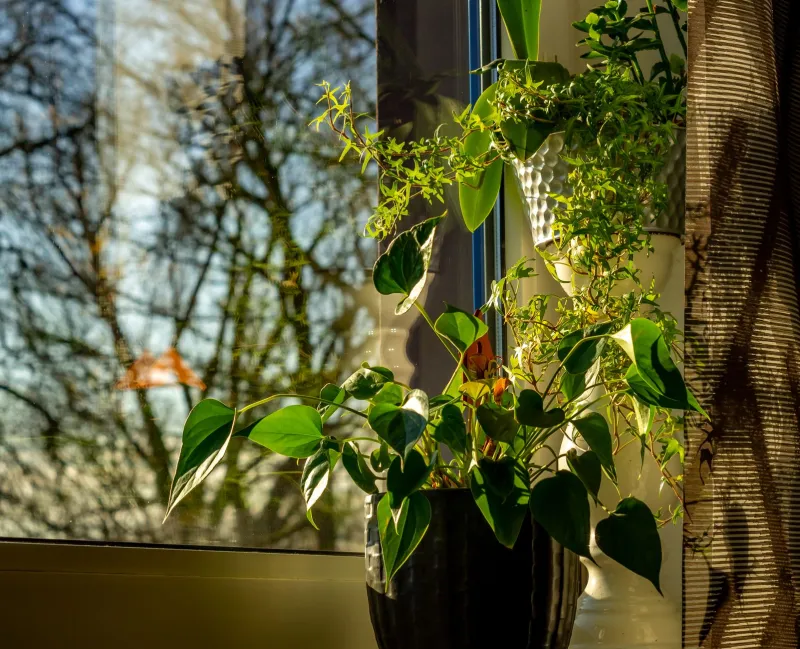
Great bathroom candidates: Boston fern, prayer plant (Calathea), pothos, and air plants.
Pet check: Pothos is toxic to cats and dogs if chewed, so keep it on a high shelf if you have a curious pet. Boston ferns and prayer plants are both pet-safe, making them better picks for households with four-legged bathroom inspectors.
No window in the bathroom? Consider a low-light tolerant ZZ plant — also toxic to pets, fair warning — or simply rotate a humidity-lover in for a week at a time.
The Kitchen: Steam, Grease, and Good Light
Kitchens are sneaky-good plant real estate. Cooking generates humidity, and many kitchens have bright windows over the sink. The catch: grease film and temperature swings from the oven.
Thrives here: Herbs (basil, mint, chives — dinner-adjacent and practical), spider plants, and African violets.
Pet check: Spider plants are famously non-toxic and cat-approved (sometimes too approved — they're a mild hallucinogen for cats, so yours may treat it like a salad bar). Basil and mint are safe too. Keep African violets out of reach only because pets knock things over, not because they're dangerous.
Pro tip: a small herb pot by the stove gets you freshest-possible garnish and a plant that earns its counter space.
The Bedroom: Quiet, Cool, and Low-Drama
Bedrooms tend to run cooler at night and get less daytime attention, which suits plants that hate being fussed over. While the old "plants release oxygen at night" claims are mostly oversold (as we've covered before when myth-busting air-purification claims), a calm, green presence genuinely does make a room feel more restful.
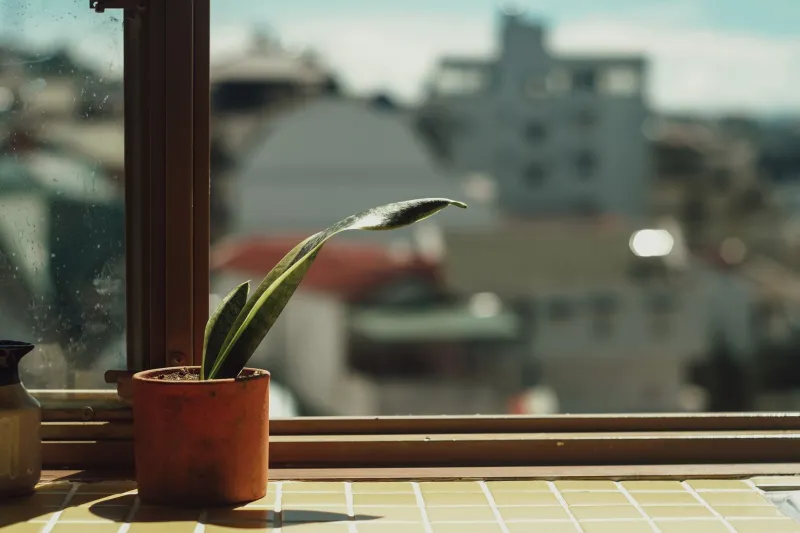
Best bedroom roommates: Snake plant, cast iron plant, and peace lily.
Pet check: Snake plants and peace lilies are both toxic to cats and dogs. If your pet sleeps in your bedroom (and let's be honest, they do), the cast iron plant is your hero — nearly indestructible and completely pet-safe.
The Living Room: Bright, Dry, and On Display
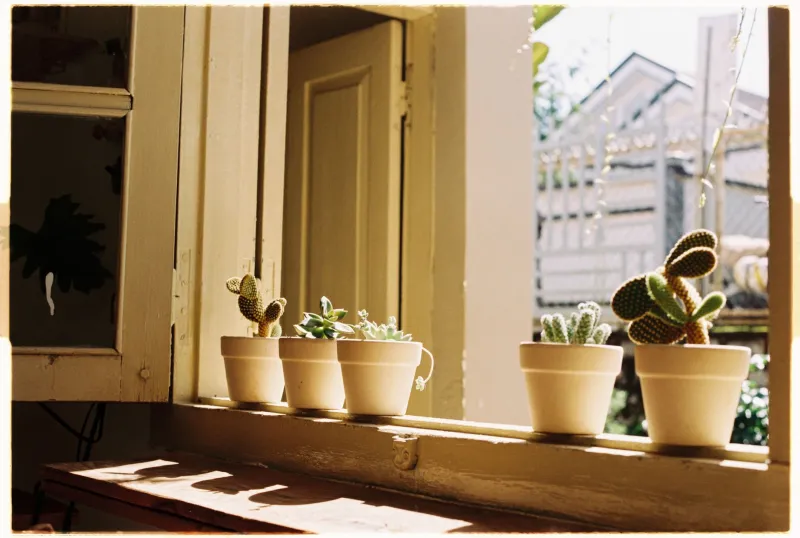
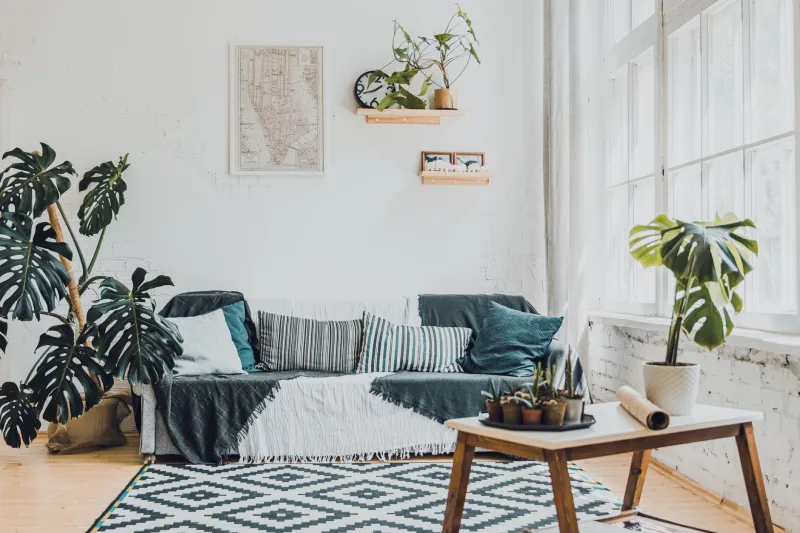
Living rooms get the most traffic and, usually, the most light — but central heating in winter dries the air out significantly. This is succulent and cactus territory, or the spot for statement plants that like bright, indirect sun.
Winners here: Jade plant, haworthia, echeveria, and a well-placed monstera near a bright window.
Pet check: Jade plants are toxic to pets. Monstera is mildly toxic too. Haworthia and echeveria, however, are pet-safe succulents that give you the same sculptural look without the worry. If your cat treats every surface like a highway, stick with the safe squad.
The Seasonal Shuffle: Your Plants' Annual Migration
Here's the part most plant parents miss: your zoning isn't a one-and-done decision. Light changes dramatically across the year.
- Winter: The sun drops lower and days shorten. Plants near north windows may suddenly be in the dark. Shift light-hungry plants closer to south- or west-facing windows, and pull everyone back from cold glass — leaves touching a frozen windowpane can get frostbitten.
- Summer: That blazing south window that saved your succulents in February can scorch them in July. Pull sensitive plants a few feet back or add a sheer curtain.
- Daylight saving time (yes, really): When the clocks change, your plants' light schedule shifts too. It's a good twice-yearly reminder to reassess placements.
Think of it as rotating your wardrobe — nobody wears the same jacket in July as in January.
A Quick Zoning Checklist
- Map your light: note which windows face which direction.
- List your plants' needs: bright/low light, humidity tolerance, watering appetite.
- Match plant to microclimate, not to aesthetic.
- Check pet toxicity before every placement.
- Reassess at each season change — especially when daylight saving hits.
The best part? Zoning is free. You already own the plants; you're just giving them better addresses. And when every room is hosting the right plant, your whole collection starts to look like it was designed — because now it actually was.