Deck the Pothos: Skip the Seasonal Aisle and Let Your Houseplants Host the Holidays
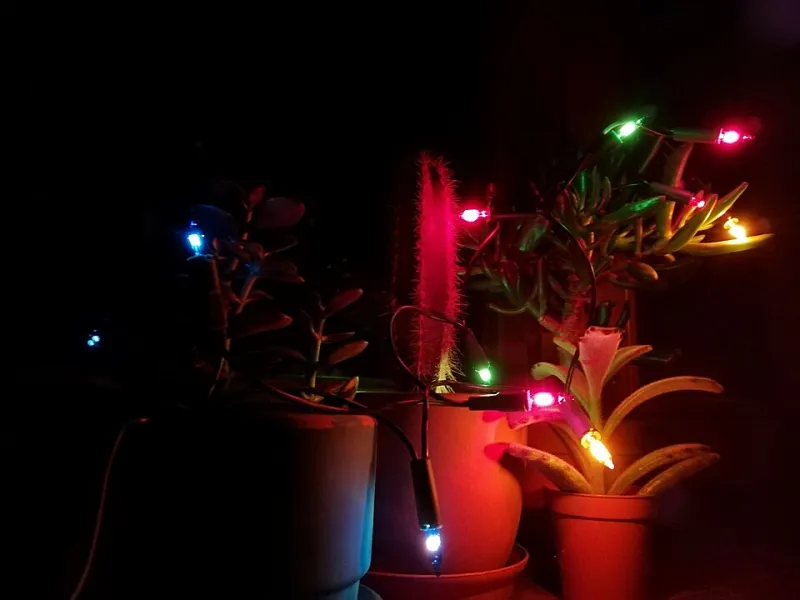
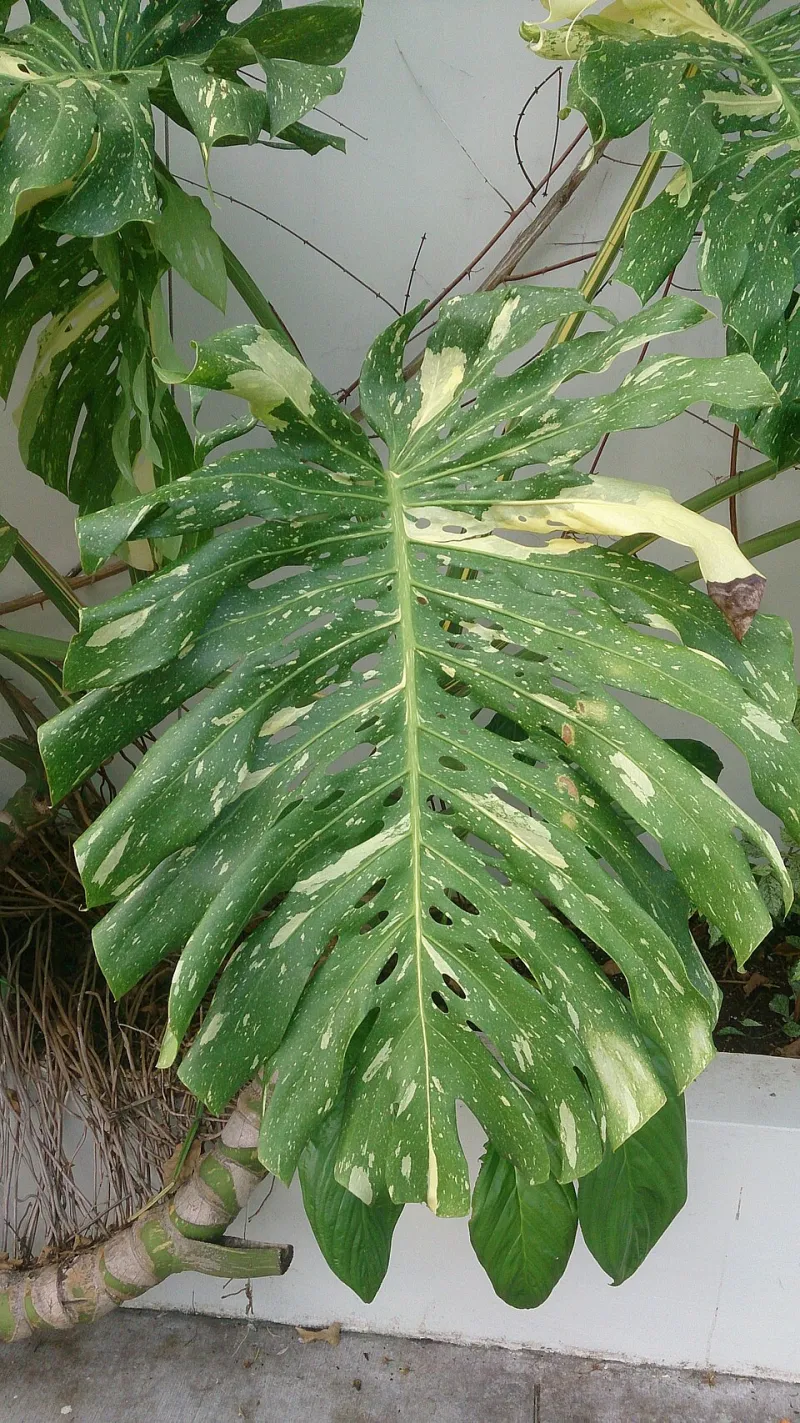
Photo: Spnq, CC BY-SA 4.0, via Wikimedia Commons
Every November, something wild happens in American retail. Entire aisles materialize, stocked with inflatable snowmen, tinsel in four shades of shimmer, and garlands made of materials science has yet to safely explain. We buy it, we display it for six weeks, and then — poof — much of it ends up in a landfill before the Valentine's candy hits the shelves.
Here's a spicy opinion from your friends at Green Carpet Growing: your living room doesn't need to save Christmas. It already contains the best holiday decor you'll ever own. It's green, it photosynthesizes, and you water it on Sundays.
The Case for the Plant-First Holiday
Think about what most seasonal decor actually is: a simulation of nature. Plastic pinecones. Faux eucalyptus. A garland engineered to look like something that was once alive. Meanwhile, your monstera is sitting right there, doing the real thing, uncredited.
Styling your existing houseplants for the holidays isn't just a money-saver — it's a quiet rejection of the one-season-and-done cycle. There's nothing to throw away in January because there's nothing disposable to begin with. Your fiddle-leaf fig simply goes back to being a fiddle-leaf fig, no worse for the wear.
Dress Your Plants (Gently)
Before you start draping things over foliage, a quick rule: plants are wearing the decor, not the other way around. Keep it light — literally.
- Ornaments, but make them tiny. Miniature baubles on a pothos vine or a trailing philodendron look genuinely magical. Use ribbon or twist ties rather than hooks that can scratch stems.
- Skip the heavy stuff. A two-pound ornament on a spider plant's arching leaves is a recipe for snapping. If it weighs more than a walnut, it goes on the tree or the mantel, not the fern.
- Water first, decorate second. A plant strung with lights is harder to water and harder to inspect. Do your usual check — soil, leaves, any pest suspects — before the decorations go on.
The Lights Question, Answered Honestly
Yes, string lights on houseplants look like a Pinterest board come to life. But let's talk energy, because a wall of incandescent mini-lights running 16 hours a day is not the eco-flex we're going for.
- Go LED. They use a fraction of the electricity and run cool, which matters — heat near foliage is a bad combo, and warm bulbs pressed against leaves can scorch.
- Put them on a timer. Four hours in the evening is plenty. You get the ambiance during the hours you're actually awake to enjoy it, then it shuts off while you sleep.
- Battery packs count too. A small rechargeable battery string on a single shelf plant gives you the twinkle without a single outlet sacrificed.
Natural Elements: The Free Decor Section
Some of the best holiday styling materials are literally on the ground outside — especially if you're in a part of the country with actual seasons.
- Dried citrus slices. Thin-slice oranges and clementines, bake low and slow (around 200°F for a few hours), and you've got translucent amber ornaments that smell incredible. Thread them with twine and hang from sturdy branches or drape across a shelf of plants.
- Foraged pinecones. Bake them on a foil-lined sheet at a low temp for about 30 minutes to evict any hitchhiking bugs before they meet your indoor jungle. Pile them in a bowl as a centerpiece or tuck them into plant pots as natural mulch-adjacent flair.
- Cinnamon sticks, star anise, and whole cloves. Cheap in the bulk section, gorgeous in a bowl, and they double as stovetop simmer ingredients in January.
- Fresh greenery clippings. If you have access to a yard or a friendly neighbor with an evergreen, a few clippings go a long way. Just keep them out of reach of pets and kids — many holiday greens are toxic if nibbled.
A Word on the Actual Tree
If a Christmas tree is non-negotiable in your house (no judgment — we love a tree), you can still make the greener call. A real, locally grown tree from a farm near you generally beats a petroleum-based artificial one over its lifetime, especially if it's mulched or recycled through your municipality's curbside program afterward. Some regions even let you rent a living potted tree for the season — which, let's be honest, is just a houseplant with excellent holiday timing.
The January Bonus
Here's the quiet payoff of the plant-first holiday: when the season ends, there's no sad box of broken tinsel to haul to the curb. The citrus goes to the compost, the pinecones back outside or into the fireplace someday, the lights into a small labeled bin for next year. Your plants? They're still there, a little pampered, ready to do it all again.
The seasonal aisle will survive without your money this year. Your pothos, meanwhile, has been waiting all year for its moment in the spotlight. Give it one.