Grab Your Phone: The 20-Minute Sunlight Audit That Saves Houseplants (and Money)
We've all done it. You're at the garden center, you fall in love with something gorgeous, you read the tag that says "bright light" and figure, hey, I've got windows. Then three months later you're apologizing to a crispy, leggy ghost of a plant.
Here's the uncomfortable truth: "sunny window" is one of the most misleading phrases in all of houseplant care. Your idea of sunny and a plant's idea of sunny are two very different things. The good news? You can fix this mismatch in a single afternoon with tools you mostly already own.
Why Your Eyes Are Terrible at Measuring Light
Human eyes are phenomenal at adjusting. Walk from a bright kitchen into a dim hallway and within seconds, everything looks "fine." Your brain compensates so well that a spot receiving a tenth of the light of your sunniest window can feel perfectly bright to you.
Plants don't get to adjust. They get exactly what falls on their leaves, and for many popular houseplants — think fiddle-leaf figs, jades, most succulents — the difference between 500 and 2,000 foot-candles is the difference between thriving and slowly starving.
That mismatch is why light starvation (or scorch) quietly tops the list of houseplant killers, ahead of overwatering in many homes. Water wrong and a plant complains in a week. Light wrong and it declines so gradually you blame yourself for everything else.
Step One: Get Oriented (Literally)
Open the compass app that came pre-installed on your phone — every iPhone and Android has one — and walk through your home noting which direction each window faces. Jot it down, or better yet, sketch a quick floor plan on the back of a junk mail envelope. We're keeping this budget-friendly.
Here's your cheat sheet for US homes in the Northern Hemisphere:
- South-facing windows are the jackpot. They get the longest, strongest sun of the day, especially in winter when the sun sits low in the southern sky.
- East-facing windows deliver gentle morning sun — bright but forgiving. Great for plants that want light without the intensity.
- West-facing windows get hot afternoon sun that can scorch tender leaves in summer but powers sun-lovers the rest of the year.
- North-facing windows get soft, indirect light all day. Lovely for reading, rough for most plants.
But wait — before you start shoving cacti at every south window, there's a catch.
What's Blocking Your Sun?
Direction is only half the story. Now look outside each window and play detective:
- That big oak or the neighbor's two-story house? It can turn a "sunny" south window into a shade garden.
- Live in a dense city? A brick building ten feet away can knock your light down dramatically.
- Window film, low-E glass coatings (standard in newer US construction), and even screens cut meaningful amounts of light.
- That gorgeous picture window with the awning over it? Congratulations, you've built a shade structure.
A south-facing window in suburban Phoenix and a south-facing window in a shaded Boston triple-decker are not the same window, no matter what the plant tag says.
Step Two: Bring in the $10 Scientist
Here's where you get to feel like a professional grower. Search for a "lux meter" or "light meter app" — dedicated handheld meters run about $10–15 online, and decent phone apps cost just a few dollars (the phone versions are less accurate, but they're fine for spotting big differences between rooms).
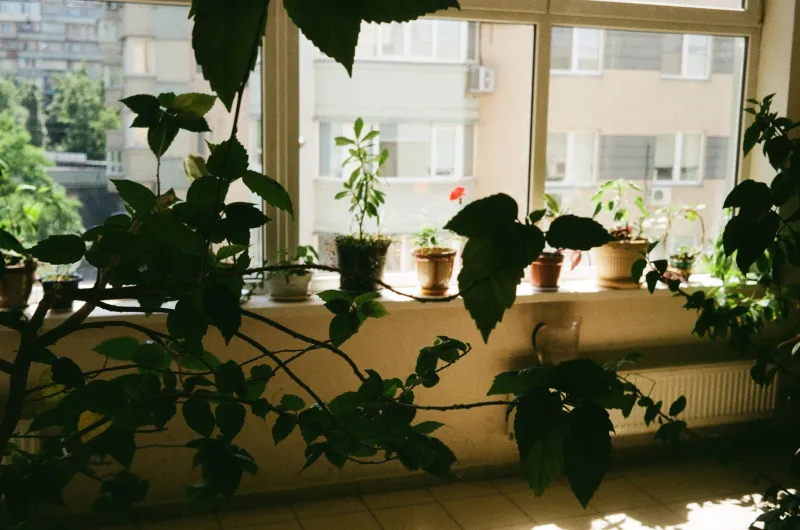
On a bright, clear day around noon, take readings at the spots where plants would actually live — not at the glass itself, but a foot or two back, and directly on the surface of the shelf or table where a pot would sit. Light falls off astonishingly fast with distance. The windowsill might read bright while the table two feet away reads dim.
Rough guide for what your readings mean:
- Direct sun / high light: 2,000+ foot-candles (roughly 20,000+ lux)
- Bright, indirect: 800–2,000 foot-candles
- Medium light: 400–800 foot-candles
- Low light: under 400 foot-candles
Step Three: Watch the Clock
Light isn't just about brightness — it's about duration. A spot that blazes for six hours is a different habitat than one that glows briefly at 8 a.m. then goes gray.
If you want the full professional treatment, do your audit three times in one day: morning, noon, and late afternoon. Note when each spot is bright, when it's shadowed, and how long the good light lasts. Twenty minutes total, spread across the day.
And here's the part nobody tells you: your map has a season pass. That blazing south window in July? In December, the low winter sun might barely reach past the glass. Meanwhile, bare deciduous trees that shaded your east window all summer disappear in fall and suddenly that spot gets a second wind. If you audit in summer, mentally downgrade everything for winter — or better yet, re-check in January.
Now Match Plants to Reality
With your map in hand, plant shopping transforms. Instead of guessing, you're matchmaking:
- That dim north-facing hallway? Pothos, ZZ plants, and snake plants will genuinely do fine there.
- Bright east window? Perfect for calatheas, philodendrons, and most tropicals that want bright-but-gentle.
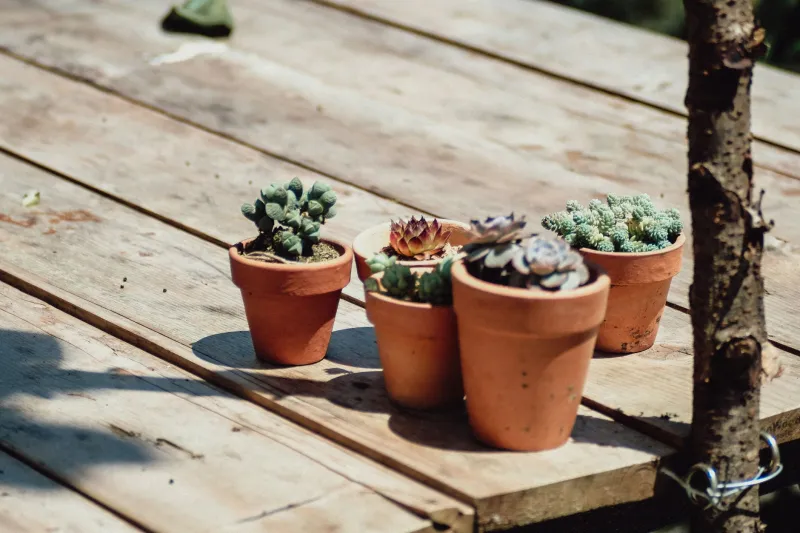
- Hot south and west exposure? Now you can finally justify that succulent collection or a rubber tree.
- And that one super-bright south sill? That's premium real estate. Save it for the plant that actually needs it.
The Payoff
A light map costs you an afternoon and maybe ten bucks. It prevents the single most common cause of houseplant death, stops you from buying plants that were doomed from the checkout line, and tells you exactly where to invest when you're ready for something ambitious.
Green carpet, indeed — but only where the sun actually shines. Go make your map.