Secondhand Sprouts: How to Snag a Thrifty Plant (and Not a Bag of Bugs)
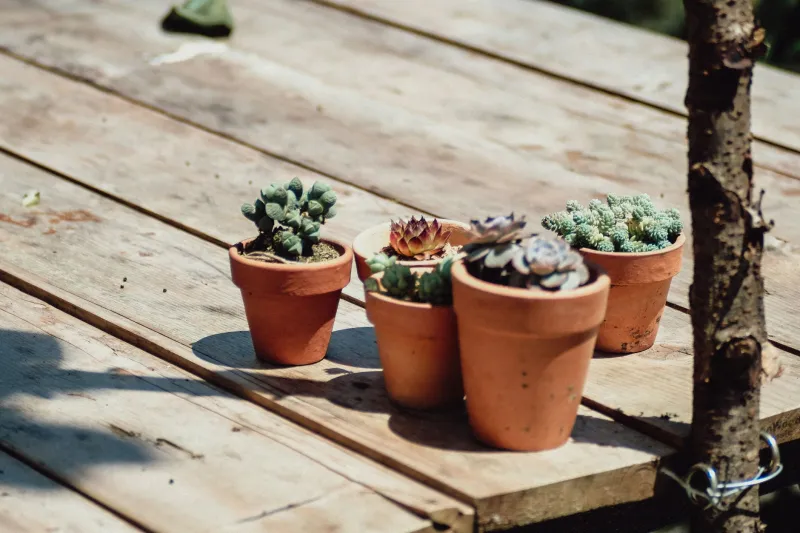
There's a particular thrill to finding a ceramic planter for two bucks or a leggy pothos listed for 'FREE — porch pickup' on Facebook Marketplace. Secondhand plant shopping is peak eco-friendly living: you're keeping goods out of landfills, skipping the plastic nursery pot supply chain, and giving a struggling plant a second chance.
But every treasure hunt has its booby traps. Some secondhand plants come home with more than you bargained for — fungus gnats, mealybugs, root rot, or a case of false advertising. Here's how to shop smart, quarantine like a pro, and know when to walk away.
Why Secondhand Plants Deserve a Second Look
Big-box garden centers aren't perfect either, but a stranger's sunroom is a completely different ecosystem. A plant that's been overwatered in a dim corner for six months may look fine on the surface while its roots quietly rot underneath. Pests like spider mites and scale hitchhike on leaves you can't fully inspect through a phone photo.
None of this means avoid secondhand plants. It just means you shop with your eyes open — the same way you'd check a vintage dresser for wobbly legs before loading it into your hatchback.
Reading Between the Lines of a Marketplace Listing
Online listings are where most plant rescues begin, and the photos tell you almost everything if you know what to look for.
Red flags in the photos:
- Mushy, yellowing, or translucent leaves. That's often overwatering or root rot in progress. Not always fatal, but price accordingly.
- Cobwebby stuff between leaves and stems. Fine webbing near the growth points usually means spider mites, especially on indoor plants in dry winter air.
- Cottony white clusters. Mealybugs. They look like tiny bits of lint and they're stubborn.
- Tiny black flies in the soil (visible in photos or mentioned in reviews). Fungus gnats mean wet soil and likely larvae.
- A plant photographed in a completely different room than where it 'lives.' Some sellers rotate stock from a wholesale source and pass it off as homegrown. Ask questions.
Red flags in the wording:
- "Fast grower!" on a plant listed as a slow-growing variety — a sign the seller may not know what they're selling. Misidentified plants are rampant online; that "rare monstera" might be a plain old philodendron.
- "Just needs water!" — sometimes true, sometimes code for "I've already given up."
- No photos of the actual plant, only stock images. Hard pass.
The Vintage Pot Paradox
Secondhand pots are usually safer buys than secondhand plants, but they come with their own quirks:
- Check for hairline cracks by running your fingernail around the rim. Small cracks in terracotta widen when water freezes — relevant if you ever move it to a porch.
- Sniff it. A pot that smells sour or musty may have harbored rot or mold. It can usually be scrubbed and sanitized, but factor in the work.
- Beware of painted pots with no drainage hole. Plenty of vintage planters are beautiful and functionally useless. You can drill ceramic with a masonry bit and patience, or use the pot as a cachepot over a plastic nursery liner.
- Skip anything with white crusty buildup you can't scrub off — that's mineral salt accumulation, and while it's not dangerous, heavy buildup suggests chronic over-fertilizing and a pot that's overdue for a deep clean.
A 50/50 vinegar-water soak and a stiff brush refreshes most thrifted terracotta beautifully.
Your 30-Day Quarantine Plan
Even a plant that looks flawless deserves a timeout. New arrivals — whether from a swap, a sale, or a neighbor — should stay away from your established collection for three to four weeks.
- Isolate it. A spare room, a shelf in the garage, even a different corner of the apartment works. Distance is your friend; pests don't typically migrate across rooms.
- Inspect under the leaves with a flashlight. Check leaf axils (where the leaf meets the stem) for mealybugs and scale. Wipe leaves with a damp cloth.
- Water sparingly. Most rescue plants are overwatered, not underwatered. Let the soil dry out more than usual — this also disrupts fungus gnat life cycles.
- Repot if you have any doubt. Secondhand soil is a gamble. Shake off what you can and repot into fresh, well-draining mix. Rinse the roots gently and inspect them: healthy roots are firm and pale; rotten roots are brown, mushy, and smell swampy. Trim the bad stuff off with clean scissors.
- Deploy yellow sticky traps. A dollar or two at any garden center, they'll catch adult fungus gnats and give you an early pest warning system.
When a 'Deal' Is Just a Distraction
Some listings aren't worth rescuing, no matter the price. Walk away if:
- The plant is more than half dead and priced like it's healthy. Emotional rescue projects are real, but so is your Saturday afternoon.
- The seller refuses to send additional photos or answer basic questions.
- You spot pests on neighboring plants in the photo — the infestation doesn't respect pot boundaries.
- The price is suspiciously high for a common plant. Rare-plant scams are a whole genre; reverse-image-search anything labeled 'rare variegated' before you pay.
The Green Math Still Works
Here's the thing: even with quarantine supplies, fresh soil, and a little repotting labor, a rescued plant plus a thrifted pot usually costs a fraction of a garden-center setup — and keeps two more items out of the waste stream. Every pothos you adopt from a porch pickup is one less mass-produced plant shipped across the country in a plastic sleeve.
Shop slowly, inspect closely, and quarantine faithfully. Your wallet, your plant shelf, and the planet all come out ahead.