The Humidifier You Don't Have to Plug In: Plants, Drafts, and Your Winter Energy Bill
Every winter, the same claim makes the rounds on social media: fill your home with houseplants and watch your heating bill shrink. It's a lovely idea. It's also mostly not true — at least not in the way Instagram would have you believe.
But before you roll your eyes and move your fern off the radiator, there's a real conversation to have here. Plants do interact with your home's energy use. Just not magically, and not equally. Let's separate the solid science from the sponsored posts.
The Humidity Claim: Half True, Mostly Modest
Here's the legit part: plants release moisture through transpiration, and in dry winter months — when your furnace is running and indoor humidity can drop below 20% — that moisture isn't nothing. Higher humidity makes a room feel warmer at the same thermostat setting, which means some homeowners genuinely do nudge the dial down a degree and feel fine.
The catch? A single peace lily transpires a modest amount of water. To meaningfully humidify a typical 1,500-square-foot American living room, you'd need a small forest and a very patient landlord. Studies on this consistently show that plants alone can't replace a humidifier in dry climates like Colorado or the high plains.
Where plants shine is as a supplement. A cluster of humidity-loving plants — think calatheas, ferns, and spider plants — grouped together creates a microclimate that keeps moisture in the air longer. Pair that cluster with a humidifier and you can run the machine less often. That's a real, if small, win.
The Draft Myth (and the Kernel of Truth Underneath)
The idea that a row of plants insulates a drafty window is, frankly, stretching it. A Monstera is not storm windows.
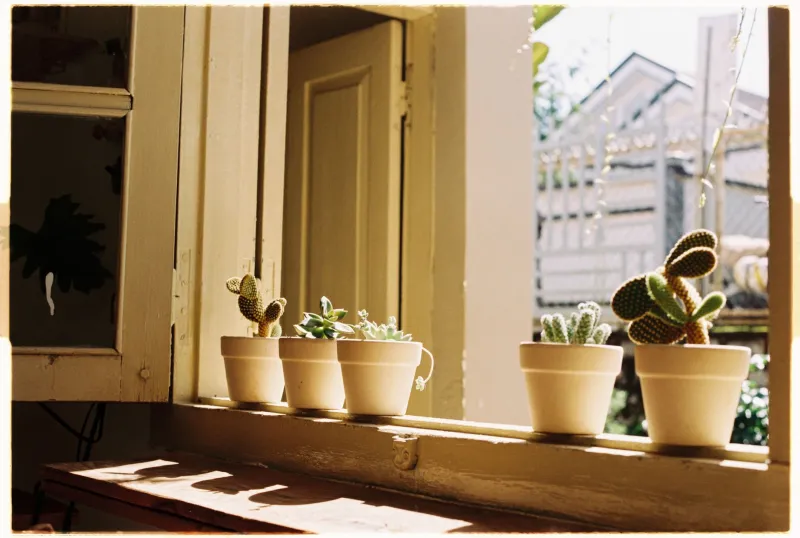
That said, dense plantings do break up air movement right at the glass. If you've got an older home with single-pane windows — hello, Chicago triple-deckers and Bay Area Victorians — a substantial plant stand along the sill can slightly reduce the cold air that rolls off the pane and pools at your ankles. You won't see it on your bill, but your feet might notice.
The better move is treating the plants as a diagnostic tool: if your calathea's leaves are curling near that window every January, the plant is telling you exactly where your home is leaking heat. Fix the weatherstripping, then thank the plant.
Where Plants Actually Hurt Your Efficiency
Yes, it happens. A few common ways your greenery works against you:
- Blocking vents and radiators. That ficus wedged over the floor vent isn't just getting blasted — it's forcing your HVAC system to work harder to move air into the room. Keep at least a foot of clearance around supply vents.
- Thermostat sabotage. A plant placed near a thermostat can trap cooler air around the sensor, tricking your system into running longer than it should. Same goes for heat-loving plants parked too close, which can do the opposite.
- Grow lights left on autopilot. A 40-watt full-spectrum light running 14 hours a day through winter adds real watts to your bill. Put those lights on a timer and match the schedule to your plants' actual needs.
- Overwatering in heating season. Plants need less water when growth slows. Waterlogged soil plus a running furnace can nudge indoor humidity into mold-friendly territory — which leads to dehumidifier use, which is its own energy tax.
A Smarter Winter Setup, Room by Room
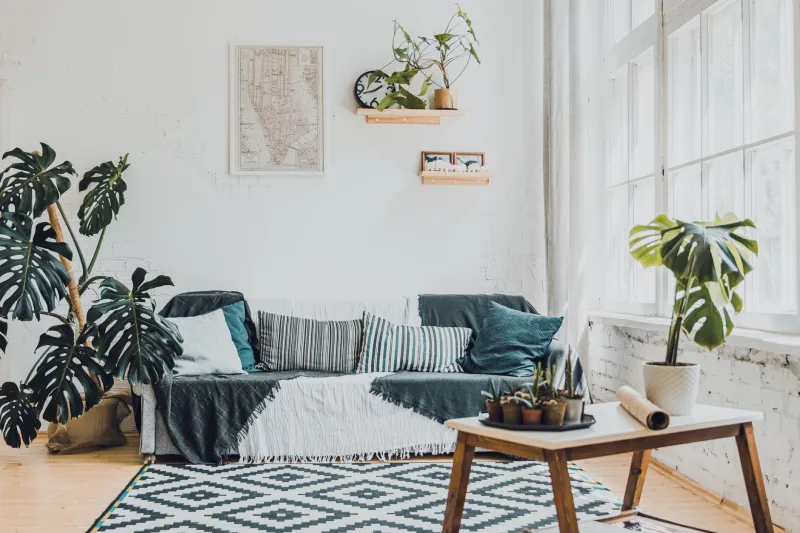
Living room: Group your humidity-lovers away from direct heat sources, near (not on) the radiator or vent. Add a pebble tray under the cluster.
Bedroom: Skip the jungle. One snake plant or pothos is plenty, and keep it clear of the thermostat zone.
Kitchen and bathroom: These rooms already generate moisture. Herbs on the sill and a fern by the shower thrive on your household's existing humidity — zero extra energy required.
Drafty entryway: This is where that "insulating plants" idea has its best shot. A dense, tall planting — a rubber tree, a tall dracaena — between the door and the living space takes the edge off cold air infiltration in older homes.
The Honest Bottom Line
Houseplants won't slash your energy bill. Anyone promising that is selling something. What they can do is make a moderately lower thermostat setting feel comfortable, flag your home's cold spots, and reduce how often you run a humidifier. Stacked together, those are real benefits — just the quiet kind.
And honestly, that fits the ethos. Sustainable living isn't about gadgets that promise miracles. It's about a home that works with you, one room — and one well-placed fern — at a time.