Pack the Plates, Then the Pothos: A Stress-Free Moving Plan for Your Houseplants
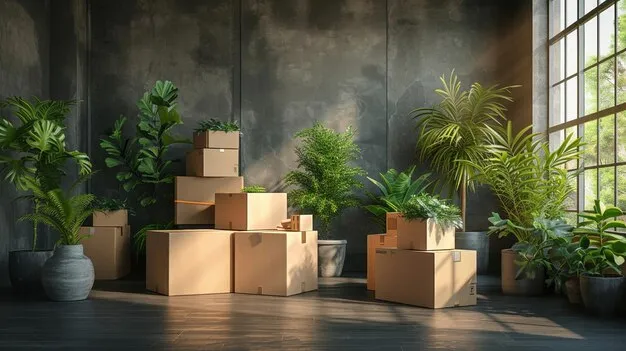
Photo: houseplants packed in cardboard moving boxes, via img.freepik.com
Moving day has a way of turning even the calmest plant parent into a logistics coordinator. Between the box of chargers you'll never label properly and the sofa that refuses to fit through the door, your houseplants can end up as an afterthought — wedged between a mattress and a mop bucket, destined for a rough ride.
Here's the thing: your plants have been quietly acclimating to your home for months, maybe years. A cross-town or cross-state move is a genuine shock to their system. The good news? With a little planning (and zero trips to the store for specialty supplies), you can get your whole collection from Point A to Point B looking just as lush as when you packed it.
Watering: The Timing Game Most People Get Wrong
It sounds counterintuitive, but do not water your plants the day before the move. Wet soil is heavy — a soaked 10-inch pot can weigh 10 pounds or more — and damp soil plus jostling equals a muddy mess all over your boxes.
Instead, water on a schedule that leaves soil moist but not soggy by loading time:
- Two to three days out: Give thirstier plants (ferns, calatheas, peace lilies) their last drink.
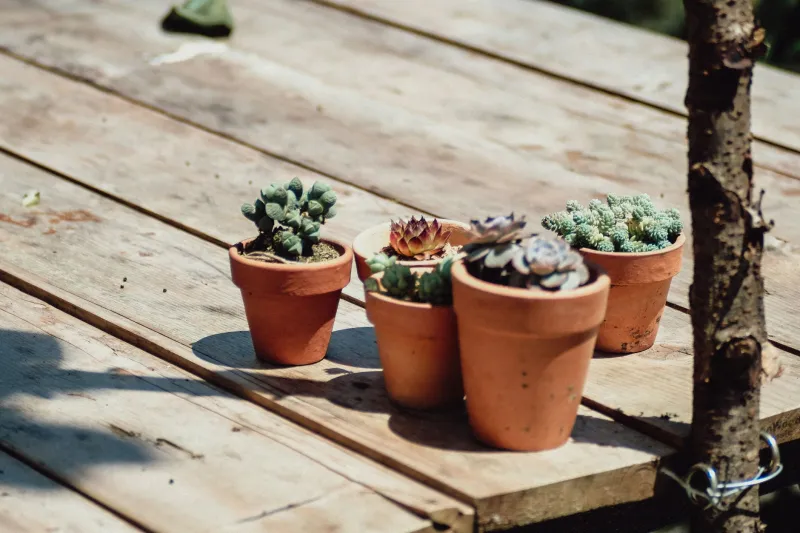
- One day out: Skip watering entirely for succulents and snake plants. They'd rather ride dry anyway.
- Moving morning: Check that no saucers are holding standing water, and let everything drain fully.
Dry-ish soil also holds roots together better when pots tip, which they will.
Packing With What You Already Own
You don't need to buy moving supplies for your plants — your house is full of them already.
The wardrobe box trick. Those tall wardrobe boxes with the hanging bars? Perfect for upright plants. Poke a few vents in the sides, and you've got a breathable travel greenhouse.
Paper towels and old T-shirts. Wrap the pot, not the plant. A towel wrapped around the base keeps soil contained and cushions ceramic from cracks. Tape it snug.
Produce bags and rubber bands. For spiky or vining plants, loosely bag the foliage and secure at the soil line. This traps a little humidity and keeps branches from snapping — but remove the bags as soon as you arrive.
Your own laundry baskets. Small pots ride perfectly in laundry baskets, one plant per pocket. It keeps them upright and makes carrying six at a time totally doable.
A note on terracotta: Unglazed pots are fragile and absorb moisture, so consider transplanting into lightweight plastic nursery pots for the trip and re-potting after. Your plants won't notice the difference; your moving budget will thank you.
The Truck Problem: Heat, Cold, and Everything Between
A dark moving truck in July in Texas can hit 120°F. In a Minnesota January, it can drop well below freezing — and either extreme can kill a plant in under an hour.
- Never pack plants on the truck floor or against the wall. The middle of the truck, surrounded by soft goods like bedding and pillows, is the most temperature-buffered spot.
- Ride with your favorites. If it's a small collection, the back seat of your own car (with the climate control on) beats any rented truck. Most rental companies allow plants in the cab; just secure pots in a box lined with a trash bag.
- For long hauls across state lines: If you're shipping instead of driving, check the destination state's agriculture department rules — California, Arizona, and Florida in particular have restrictions on bringing certain plants in, aimed at keeping invasive pests out. USPS Priority and FedEx both ship plants; bare-rooting (removing most soil, wrapping roots in damp moss, and boxing the plant) is the standard method and lighter on your wallet.
- Skip the watering before shipping too. A dry plant ships far better than a rotten one.
Your Printable Moving-Day Plant Checklist
Tape this to the fridge during the week of the move:
- 3 days out: Water tropical plants; skip succulents
- 2 days out: Prune dead or leggy growth (less to damage in transit)
- 1 day out: Treat for any visible pests — you don't want hitchhikers in the new place
- Moving morning: Wrap pots, bag delicate foliage, vent your boxes
- Load last, unload first
- Unbag all plants immediately on arrival
- Place in bright, indirect light — not the sunniest window right away
- Wait a full week before the first watering in the new home
- Hold off on fertilizer for a month
The Acclimation Plan: Week One at the New Place
Your plants just experienced a light change, a humidity change, and possibly a temperature swing — all in one day. Expect a little drama. A yellowed leaf or two is normal grieving, not a crisis.
Ease them in like this:
- Days 1–3: Bright but indirect light, away from hot or cold drafts (keep them clear of new HVAC vents, which run differently than your old system).
- Days 4–7: Introduce your sunniest windows gradually, rotating pots so they adjust evenly.
- Week 2: Resume normal watering only when the top inch of soil is dry. Resist the urge to "nurse" them with extra water — overwatering is the number one post-move killer.
- Week 4: If you're re-potting into fresh soil, now's the time. New home, new dirt, fresh start.
One Last Green Thought
Moving is a chance to rethink your plant zones, not just relocate them. That pothos that limped along in your old dark hallway might thrive in the new place's brighter kitchen. Use the fresh start to re-match each plant to its best light — your collection, and your eco-friendly cleaning and living goals, will be greener for it.
Happy trails to you and your leafy crew.