Chopsticks, Phone Alarms, and One Honest Finger: The Lazy Genius Way to Water Houseplants
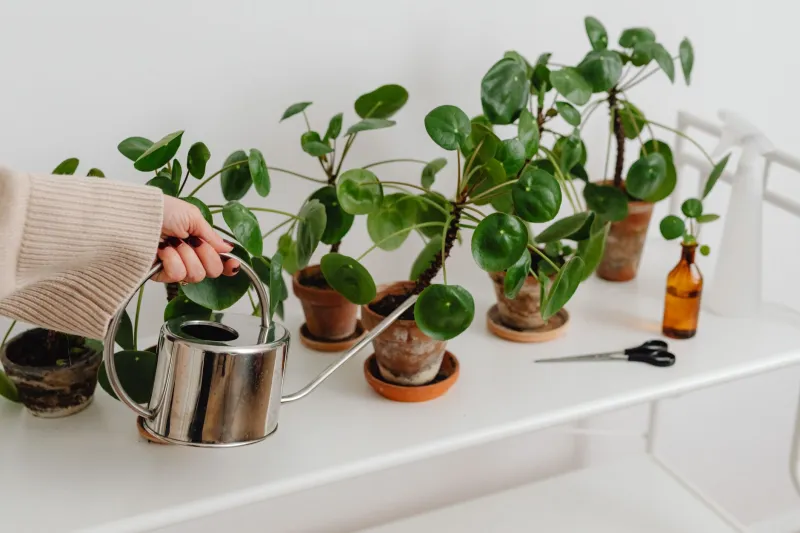
Raise your hand if this sounds familiar: you bring home a gorgeous pothos, water it religiously for three weeks, then panic-water it when a leaf droops — and two months later, you're back at the garden center buying a replacement. If so, congratulations. You're not a plant killer. You're just watering on autopilot.
Here's the thing nobody at the nursery tells you: the majority of houseplants in the US don't die from thirst. They drown. Roots sitting in soggy soil literally suffocate, and by the time yellow leaves show up, the damage is done. The fix isn't more attention — it's a smarter, shorter routine.
Why Your Watering Schedule Is Probably Lying to You
"Water once a week" is the most misleading advice in plant care. A fern in a bright Boston apartment window might drink its pot dry in four days. The same fern in a dim Chicago basement unit could go two weeks before needing a drop. Watering by calendar ignores everything that actually matters: light, pot size, humidity, season, and how thirsty the plant is right now.
The sustainable angle here is bigger than one sad fern, too. Every plant that dies means another plastic nursery pot, another trip to the store, another few dollars out the door. Keeping the plants you already own alive is one of the most underrated green moves a homeowner can make — right up there with ditching paper towels.
The 5-Minute Weekly Check-In
Here's the whole system. Set a recurring phone alarm for the same day each week — Sunday morning works well for most people. When it goes off, grab two things:
- A wooden chopstick (or a bamboo skewer, or an unsharpened pencil). Yes, from the takeout drawer.
- Your finger. Free, always charged, zero app required.
Now do this for each plant:
- Probe it. Push the chopstick gently into the soil about two-thirds of the way down, like testing a cake. Pull it out. If soil sticks or the wood comes out dark and damp, walk away. That plant doesn't need water. If it comes out clean and dry, move to step two.
- Confirm with your finger. Stick a finger knuckle-deep into the soil. Dry? Water. Cool and moist? Trust the chopstick and move on.
- Water thoroughly — but rarely. When a plant does need it, water until it drains freely from the bottom, then dump the saucer after 15 minutes. No plant wants to sit in a puddle.
- Rotate and eyeball. Turn each pot a quarter turn so growth stays even, and give leaves a quick once-over for pests or crispy edges.
That's it. Five minutes, once a week, and you've replaced guesswork with actual information.
Your Printable Check-In Checklist
Tape this to the fridge or tuck it into your plant shelf:
- Phone alarm for weekly plant day — set once, done forever
- Chopstick test every pot (damp = skip, dry = water)
- Finger check to confirm
- Water deeply, empty saucers after 15 minutes
- Quarter-turn each pot
- Scan leaves for pests, yellowing, or drooping
- Note anything weird in your phone ("monstera — soil still wet after 10 days?")
The Troubleshooting Flowchart
When something looks off, run it through this before you reach for the watering can:
- Soil wet + leaves yellow or mushy? → Overwatering. Stop watering, move the plant somewhere brighter, and let it dry out completely before the next check-in.
- Soil bone dry + leaves crispy or curling? → Underwatering. Water thoroughly in the sink, let it drain, and consider shortening your check-in interval during summer.
- Soil wet but plant looks thirsty (drooping)? → Possible root rot or compacted soil. Slide the plant out and check the roots — healthy ones are firm and white, rotten ones are brown and mushy.
- Soil pulls away from the pot's edges? → It's hydrophobic. Water slowly, or bottom-soak the pot for 20 minutes.
- Everything looks fine but growth stalled? → Totally normal in winter. Plants in most US homes slow down October through February. Water less, expect less, and don't repot out of boredom.
A Little Guilt-Free Sustainability Math
The average replacement houseplant runs $10 to $30, and most come wrapped in plastic pots that curbside recycling programs rarely accept. Keep six plants alive an extra two years instead of replacing them, and you've kept roughly a dozen plastic pots out of the waste stream and a couple hundred dollars in your pocket.
Better yet, the routine itself creates less waste. No moisture meters to buy, no gadgets to plug in, no fancy apps. A chopstick rescued from the junk drawer and one recurring alarm are all it takes.
So set that Sunday alarm. Your plants don't need a helicopter parent — they need a five-minute check-in, an honest finger, and the discipline to do nothing when nothing is what they need. That's not lazy. That's genius.