Myth-Busting Your Houseplant Collection: What the Science Actually Says About Cleaner Indoor Air
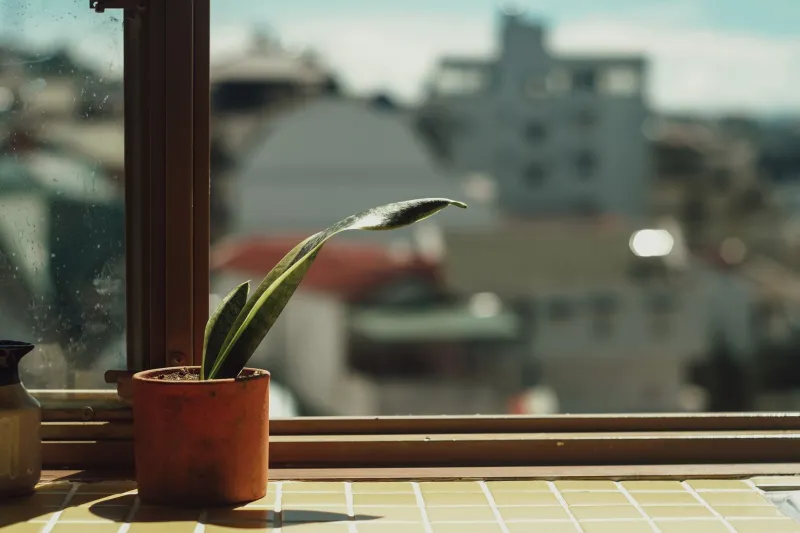
If you've spent any time on plant Instagram or in the checkout line at your local nursery, you've probably seen the claim: snake plants purify your air. Pothos scrub toxins. Boston ferns are basically living HEPA filters.
It's a lovely idea. You buy a monstera, water it occasionally, and breathe easier — literally. But before we all credit our pothos with our lung health, let's dig into where this belief came from and what decades of follow-up research actually tell us.
Where the Myth Took Root
The story starts with a 1989 NASA study. Scientists sealed a handful of common houseplants inside small chambers, injected them with volatile organic compounds (VOCs) like benzene and formaldehyde, and measured what happened. The results were genuinely promising — the plants did reduce VOC levels in those sealed containers.
Here's the catch: your living room is not a sealed NASA chamber. It's a few hundred square feet connected to hallways, windows, doors, and an HVAC system constantly exchanging air with the outdoors. Follow-up analyses, including a widely cited 2019 review published in the Journal of Exposure Science & Environmental Epidemiology, crunched the numbers and found that in a real home, you'd need somewhere between 10 and 1,000 plants per square meter to match the air-cleaning power of a basic open window or a mechanical ventilation system.
That's not a typo. Your single snake plant, as charming as it is, isn't doing measurable air purification work.
What Actually Improves Your Indoor Air
If plants are mostly decorative in the air-quality department, what does pull its weight? The boring stuff, unfortunately:
- Ventilation. Opening windows for even 10 minutes a day exchanges stale, pollutant-heavy indoor air for fresh outdoor air. In most US climates, this is free and dramatically more effective than any houseplant.
- Source control. Skip the plug-in air fresheners, choose low-VOC paints and furniture when you can, and store solvents and cleaners in the garage rather than the hallway closet.
- Your HVAC filter. If your system accepts a MERV 11 or higher filter, upgrading it captures fine particulates your plants will never touch.
- A dedicated HEPA purifier for bedrooms or rooms with specific concerns like wildfire smoke — a real consideration for much of the West Coast and Mountain West in recent summers.
So Are Plants Useless? Not Quite
Here's where we give houseplants their due. Even if they're not scrubbing formaldehyde at meaningful rates, plants contribute to indoor wellness in ways that matter:
- Humidity buffering. Plants release moisture through transpiration. A dense cluster of plants can modestly nudge humidity upward in a dry, heated winter home — helpful for dry skin and sinuses.
- Psychological benefits. Multiple studies link indoor greenery to lower stress, better focus, and faster recovery from mental fatigue. That's not nothing.
- Dust trapping on broad leaves. Some plants with large, waxy leaves (rubber plants, for instance) accumulate dust that you wipe away — a minor but real cleaning assist.
The Tiered List: Plants Worth Keeping Anyway
If you love plants for the plants, keep them. But if you want the ones with the best theoretical air-cleaning pedigree plus easy care, here's our honest ranking.
Tier 1 — Keep these, love them:
- Snake plant (Dracaena trifasciata): Nearly indestructible, tolerates low light and neglect, and has one of the better lab-test track records for VOC uptake.
- Peace lily: Among the top performers in chamber studies, with glossy leaves that wipe clean easily. Just keep it away from pets — it's toxic if chewed.
- Spider plant: Safe for cats and dogs, propagates like a champ, and performed well in early research. Great starter plant.
Tier 2 — Nice to have:
- Pothos: Vigorous, forgiving, and fast-growing. Its air-cleaning stats are middling, but its low-maintenance nature earns it shelf space.
- Rubber plant: Big leaves, big presence, decent humidity contribution.
Tier 3 — Skip if air quality is your goal:
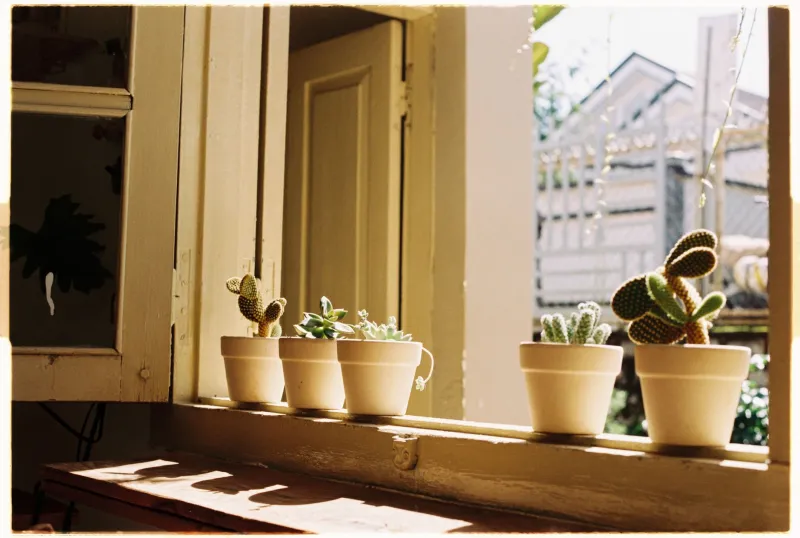
- Succulents and cacti: Adorable, minimal transpiration, negligible VOC uptake.
- Air plants: They're sculptural and fun, but they're not filtering your air any more than your bookshelf is.
The Bottom Line
Think of houseplants as the frosting, not the cake. Fill your home with greenery because it makes you happy, softens a room, and gives you something to care for — then handle the actual air quality with ventilation habits, smart product choices, and filtration where it counts.
Your fern won't mind the demotion. It never asked to be a superhero in the first place.