Bon Voyage, Fern: How to Leave Your Houseplants for a Week Without Coming Home to a Graveyard
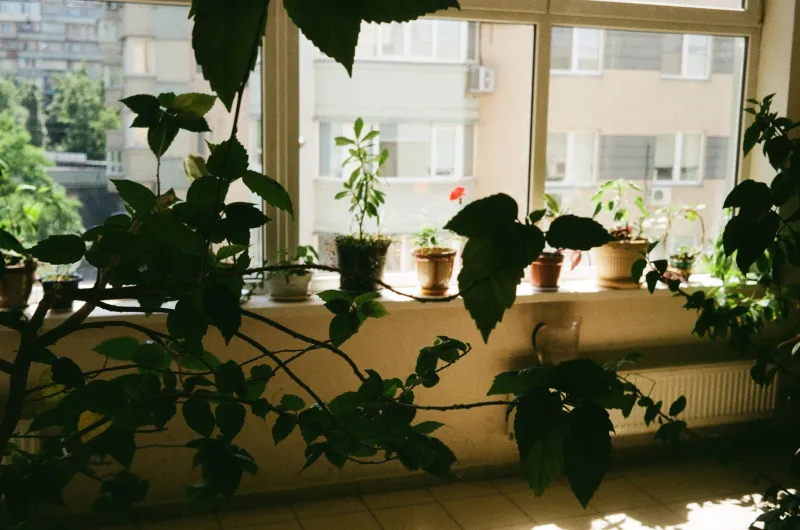
You've booked the flights, paused the mail, and arranged for someone to feed the cat. But then you glance over at your fiddle-leaf fig and realize: nobody's on plant duty.
Here's the good news — most houseplants are far more self-sufficient than they let on. With an afternoon of prep, you can leave for a week, two weeks, even a month, and come home to a jungle that's still very much alive. Here's how to do it.
First, Know Who You're Dealing With
Not all plants stress about your absence equally. Before you panic, sort your collection into three camps:
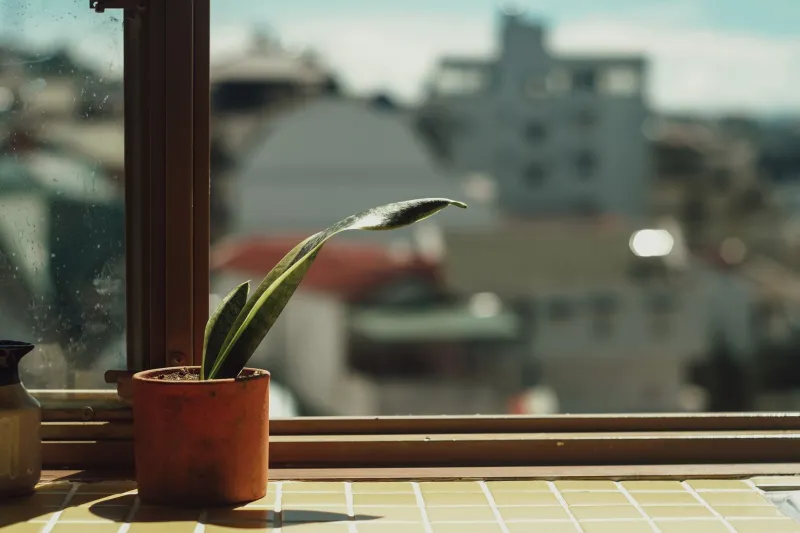
- The Low-Maintenance Crowd: Snake plants, pothos, ZZ plants, and most succulents can happily coast for two to three weeks without a sip. Honestly, they might prefer it.
- The Steady Regulars: Philodendrons, peace lilies, and most tropical foliage plants need a plan for anything longer than a week, but they're forgiving.
- The Drama Queens: Ferns, calatheas, and that finicky prayer plant will start curling leaves the moment your suitcase hits the door. These need the full treatment.
Focus your energy where it matters. Your snake plant will not miss you. Your Boston fern absolutely will, loudly.
Water Deeply the Day Before You Leave
This sounds obvious, but it's the step people rush. Don't just sprinkle the soil surface — give every plant a slow, thorough soak until water runs out the drainage holes. A deep drink before departure buys you several extra days on almost every plant.
For smaller pots, consider bottom-watering: set them in a sink or basin of water for 30–60 minutes and let the roots drink their fill. Soil that's fully saturated holds moisture far longer than a quick top-off ever will.
The Grouping Trick: Nature's Humidity Dome
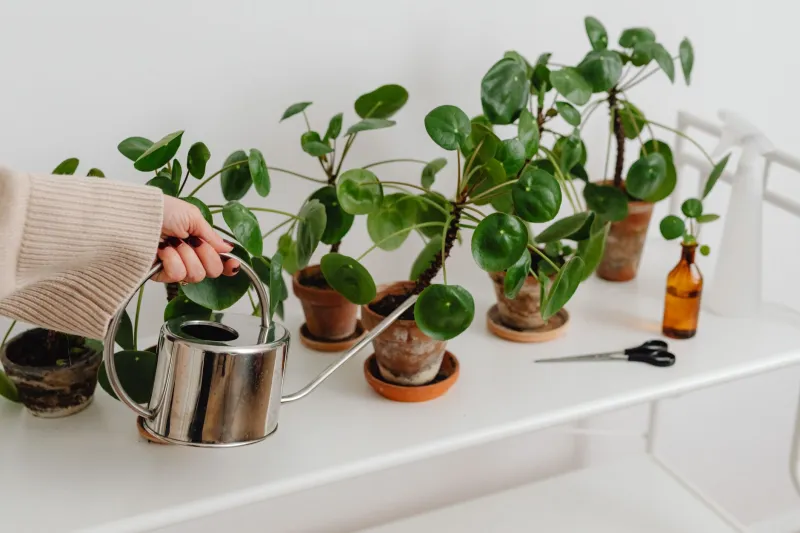
Here's a favorite trick that cuts watering needs dramatically: cluster your plants together in one spot, ideally away from direct sun and heating vents.
When plants sit close together, they create a shared microclimate. The moisture each plant releases through its leaves (transpiration, if we're being technical) hangs around the group, slowing evaporation from every pot's soil. It's essentially a self-humidifying plant commune.
How to do it: Pick a spot with bright indirect light — a few feet back from a window works well. Pull plants into a tight cluster, with thirstier plants in the center and drought-tolerant ones on the edges. Close the blinds partway to soften the light, and turn the thermostat down a touch if you'll be gone in winter. Cooler temps mean slower growth and slower water loss.
DIY Self-Watering Setups That Cost Almost Nothing
For trips longer than ten days, or for your drama queens, add a backup water source. No fancy gadgets required.
The Wine Bottle Trick: Fill an empty wine bottle with water, flip it, and push the neck a few inches into the soil of a larger pot. Water wicks out slowly as the soil dries. Works best for big, thirsty plants.
The String Wick Method: Place a glass or jar of water on a shelf or table, then run a length of cotton string or a strip of cotton T-shirt from the water down into the plant's soil. Capillary action does the rest. Test it a few days before you leave so you know it's actually wicking.
The Bathtub Planter-Wrap: Heading away for two weeks or more? Line your bathtub with an old towel, add an inch or two of water, and set your cluster of plants in it. The towel wicks moisture up into each pot. Just make sure the tub gets some light — or add a grow bulb on a cheap outlet timer.
The Humble Plastic Bag: For small pots, a clear plastic bag loosely tented over the plant traps humidity and recycles water for up to two weeks. Prop it with chopsticks so the plastic never touches the leaves. It looks like a science experiment, but it works.
Handle the Light and Temperature Situation
Water gets all the attention, but light and heat quietly drain your plants' reserves while you're gone.
- Pull sheer curtains closed or move plants back from scorching south-facing windows. Less intense light means less thirst.
- In winter, drop the thermostat to 60–65°F. Most houseplants tolerate it fine, and slower metabolism means slower soil drying.
- In summer, close blinds during peak afternoon to prevent a greenhouse effect in a closed-up house.
- Move plants off heat registers and away from drafty doors. Both extremes dry soil fast.
Your Pre-Trip Plant Checklist
Screenshot this. Tape it to the fridge. Whatever works.
- 7–10 days out: Test any DIY wicking or bottle setups; adjust as needed.
- 3 days out: Check every plant for pests — you don't want an infestation party while you're away. Trim dead or yellowing leaves.
- 1 day out: Deep-water everything, including bottom-soaking small pots.
- Departure day: Cluster plants in their staging area, fill wick reservoirs and bottles, close partial blinds, adjust thermostat, and empty drip saucers (standing water plus nobody home equals fungus gnat paradise).
- Optional: Give a plant-savvy neighbor the Wi-Fi-free tour — where the watering can lives, which plants to ignore, which one is secretly dying.
Coming Home: The Gentle Reentry
Resist the urge to flood everything the moment you walk in. Check the soil first — some plants will have used less water than you expected. Remove any yellowed leaves, give everyone a light misting or leaf wipe to clear dust, and ease plants back to their usual light over a day or two.
And if something didn't make it? Take a breath. Even seasoned plant people lose one now and then. Consider it a lesson in which corners of your collection need better backup next time.
The best part: once you've built these routines, travel stops feeling like a plant emergency. Your jungle keeps growing, you actually relax on vacation, and the only thing waiting for you at home is green — not guilt.