Hang It Without Holes: A Renter's Guide to Floating Houseplants
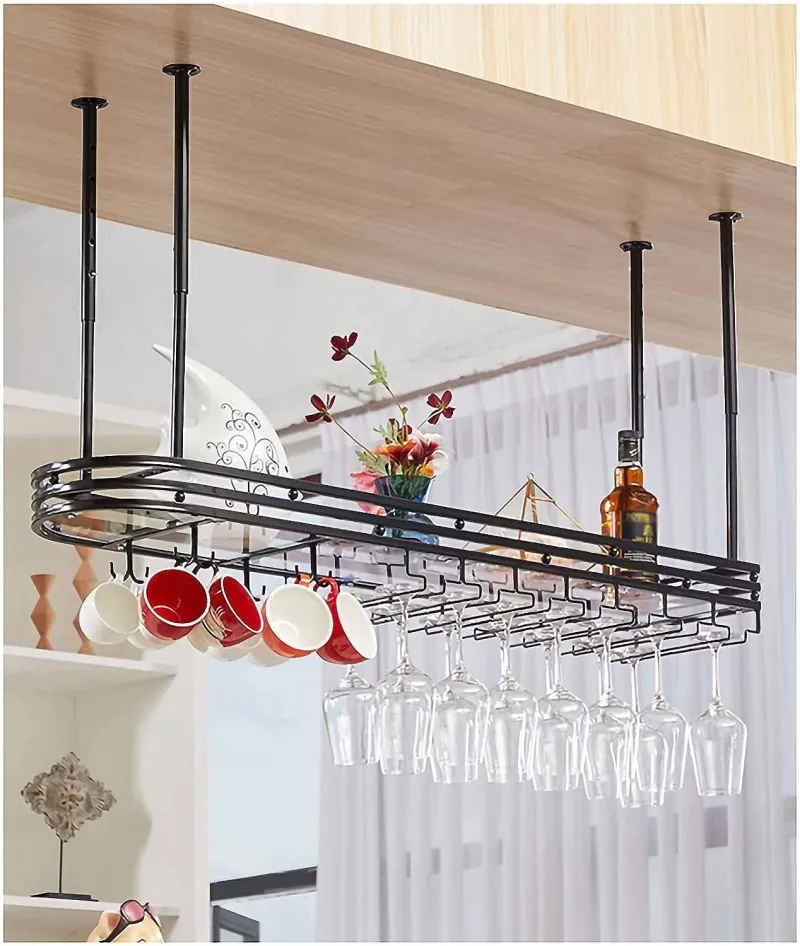
Photo: hanging houseplants rental apartment tension rod adhesive hook, via m.media-amazon.com
Renters often treat hanging plants as a fantasy. The lease says no holes. The security deposit says please do not test that. The plant collection says it needs more vertical space. The good news is that you can have a floating jungle without turning your ceiling into Swiss cheese. The less good news is that renter-friendly hardware has limits, and ignoring them is how a pothos ends up on the floor at 2 a.m.
This guide is for people who want green living without permanent marks, disposable plastic junk, or a repair bill. It is also for anyone who has ever stared at a adhesive hook and wondered whether it is stronger than it looks. Short answer: sometimes. Long answer below.
The Security-Deposit Rulebook
Before you buy anything, read the lease. Some landlords allow small nails and patching. Many do not. Some require written permission for ceiling hardware. If you are unsure, ask in writing and keep the reply. A friendly email is cheaper than a repaint.
Next, think about weight. A six-inch plastic nursery pot with dry soil is light. A ceramic cachepot with a mature monstera is not. Water adds weight, and wet soil adds more. Hanging hardware rated for five pounds should not hold a ten-pound plant just because the label felt optimistic. Use a kitchen scale if you are close to the limit.
Humidity matters too. Bathrooms and kitchens are tough on adhesives. So are fresh paint, textured walls, wallpaper, and rooms that swing from cold to steamy. A hook that holds in a dry hallway may slide off a bathroom tile after a hot shower.
Tension Rods: The No-Mark Workhorse
Tension rods are the quiet heroes of rental plant hanging. They work best between two solid, parallel surfaces, such as a window alcove or a doorway frame. Use rubber end pads to protect paint, and choose a rod rated for more weight than you plan to hang. Do not overload a rod that is only snug because it is wedged between drywall corners.
A tension rod across a window can hold a few lightweight trailing plants in small pots. It can also fail dramatically if the rod is too thin or the surface is slick. Check the fit by hand before adding plants, then add weight slowly. Keep trailing vines away from doors that slam and walkways where tall humans will headbutt them.
Adhesive Hooks: Test First, Load Slow
Adhesive hooks can work beautifully on smooth, clean, painted surfaces. They can also remove a patch of paint if you yank them off. Clean the wall with rubbing alcohol, let it dry, press the hook firmly, and wait the full curing time on the package. Then hang something light and leave it alone for a day.
Use removable adhesive hooks for lightweight plants, plastic pots, and small cachepots, not for heavy ceramic planters. Avoid them over beds, electronics, or anything you love. When removal day comes, pull the tab straight down along the wall, not out toward your face. A hair dryer on low can soften stubborn adhesive. If a little paint comes with it, resist the urge to hide it with a giant new plant. Your landlord will notice.
Straps, Over-the-Door Hooks, and Freestanding Frames
Over-the-door hooks are renter-friendly and removable, but they are not all equal. Use them on sturdy doors, not hollow closet doors that flex. A fabric strap or sling can hold a small pot, but make sure the pot cannot tip when the door moves. Ceiling straps and overhead slings should only be used with a freestanding frame or a properly rated tension system, not a single adhesive pad stuck to drywall.
Freestanding plant stands, shelf ladders, and tall bookshelves are the least dramatic option and often the most reliable. They leave no marks, hold more weight, and let you move the whole display when you rearrange the room. Add felt pads to protect floors. Secure the top of a tall stand to the wall with a renter-safe strap if you have cats or toddlers. Yes, that might mean one small bracket, but safety beats aesthetics.
Pick Plants That Like Being High Up
Hanging plants are not just decoration. They are living things with light needs. For bright rooms, try pothos, philodendron, string of hearts, or spider plants. For lower light, choose a small snake plant or a heartleaf philodendron, but do not expect a sun-loving succulent to thrive in a dim hallway. A plant that slowly declines while suspended from the ceiling is not a green upgrade.
Use lightweight pots. A plastic nursery pot inside a simple hanging cover is easier to manage than a heavy ceramic planter. Make sure the saucer or liner does not drip onto the floor. If you rent, a stray water ring on hardwood is its own deposit risk.
Watering Without a Ladder
The best hanging plant is one you can take down without a circus act. Use a small step stool, not a dining chair. Water in the sink or bathtub, let it drain, then hang it back. Bottom watering can reduce spills if the pot fits in a bowl. Keep a schedule, but check the soil first. Hanging plants dry out faster in warm rooms and slower in humid ones.
Removal Day Should Be Boring
When you move out, removal should take minutes, not hours. Save the original hardware and packaging if you can. Remove adhesive hooks slowly. Patch nothing unless you know what you are doing. Reuse the hooks in your new place. That is the real no-landfill bonus: the hardware comes with you, and the plants get a second ceiling.