The $3 Plant That Outlived Every Fancy Purchase I've Made
Let me make an argument you didn't expect from a green-living site: the most sustainable plant purchase isn't the fancy monstera from the boutique shop. It's the half-dead pothos marked down to three bucks at the grocery store.
Think about it. That plant already exists. It's already been shipped, potted, and watered. Letting it die in a dumpster because its leaves look sad is the plant equivalent of throwing away a shirt because it's wrinkled. Rescuing clearance plants keeps living things out of the trash, saves you serious money, and — I'll be honest — the comeback story is deeply satisfying in a way no full-price purchase ever is.
Where the Rescue Missions Hide
You don't need to hunt far. In my experience, the best rescue inventory comes from:
- Grocery store floral sections — those racks near the entrance where plants get neglected under harsh fluorescent light
- Big-box hardware stores — the garden center markdown shelf, usually tucked in a back corner
- Thrift stores — occasionally you'll find actual living plants donated; sometimes you'll find gorgeous empty pots for pennies, which pairs nicely with a grocery store rescue
Look for plants that are ugly but alive. Yellowing leaves? Fine. Mushy black stems? That's a harder case. Bone-dry but with flexible, green stems? Very recoverable.
Step One: Triage Like an ER Nurse
Before anything else, give your patient a full exam. Here's my checklist:
The leaves. Crispy brown edges usually mean underwatering or low humidity — fixable. Yellow, mushy, dropping leaves often signal overwatering and root trouble. A few yellow leaves is normal decline; a plant that's 80% yellow needs serious intervention.
The stems. Squeeze gently. Firm and green means there's life in there. Mushy or hollow means rot has moved in. If it's one stem among many, you can amputate and save the rest.
The soil. Stick a finger two inches down. Swampy smell and soggy soil = overwatering. Bone-dry soil pulling away from the pot's edges = severe dehydration (very fixable).
The uninvited guests. Check leaf undersides and stem joints for webbing (spider mites), sticky residue (scale or aphids), or tiny white cottony spots (mealybugs). Don't skip this — it determines your quarantine plan.
Step Two: Quarantine — Non-Negotiable
New rescue plants go nowhere near your existing collection for at least two weeks. I keep mine in a separate room, ideally with its own light source. Pest infestations spread through a collection faster than gossip in a small town, and a two-week observation window is cheap insurance.
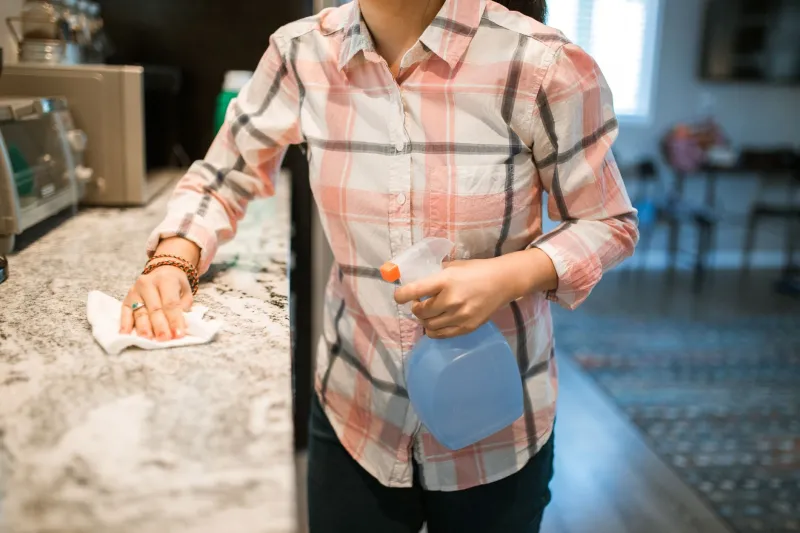
During quarantine, wipe leaves down with a damp cloth. If I spotted pests, I'll follow up with a spray of diluted insecticidal soap — a few drops of castile soap in water works — reapplying weekly until I see nothing crawling for two consecutive check-ins.
Step Three: The Root Rot Surgery (If Needed)
If your plant smells swampy or the roots are brown and mushy, it's surgery time:
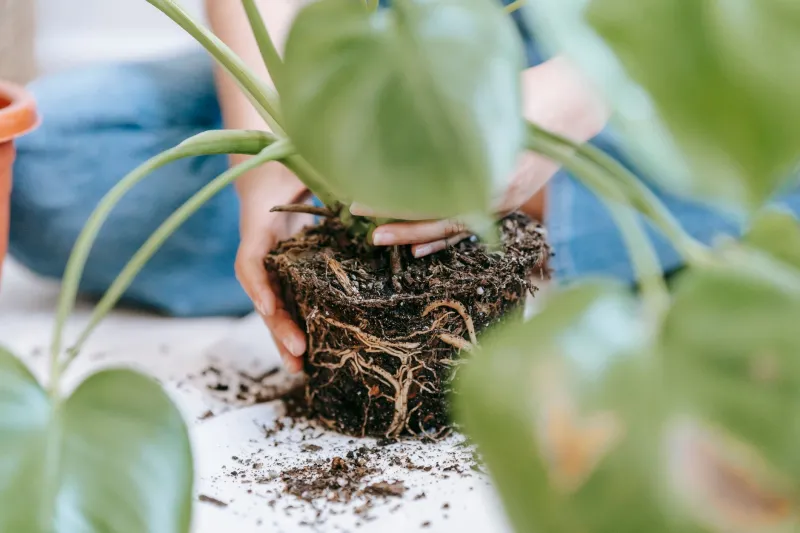
- Slide the plant out of its pot and gently shake off the soggy soil.
- With clean scissors, trim away every brown, mushy root — keep only firm, pale ones.
- Rinse the roots, then repot in fresh, well-draining potting mix in a container with actual drainage holes.
- Water lightly — just enough to settle the soil — and then hold off until the top inch dries out.
Overwatering kills more clearance plants than neglect does, partly because rescuers see a sad plant and reach for the watering can. Restraint, friends.
Step Four: The 30-Day Revival Timeline
Here's how a typical rescue unfolds, based on more revivals than I can count:
Days 1–7: Settle in. Right light for the species, water only if the soil is dry, no fertilizer whatsoever. Expect some additional leaf drop — the plant is reallocating resources, not giving up.
Days 8–14: The quiet stretch. Not much visible change, but roots are adjusting. Keep wiping leaves so they can photosynthesize efficiently. Maintain quarantine.
Days 15–21: First signs of hope. A new leaf budding, an unfurling tip, or simply leaves that stop declining. This is when I move the plant from the sick bay to its permanent spot.
Days 22–30: Momentum. If you see genuine new growth, you can introduce a diluted, gentle fertilizer — half strength. Take a photo next to your day-one picture. The difference will make your whole week.
The Cleanup Crew: Reviving the Space Too
One more thing I love about rescue plants: they come with pots that usually need rescuing too. Scrub secondhand pots with warm water and white vinegar to remove mineral crust and old soil residue — no harsh chemicals needed. That vinegar soak also neutralizes any salt buildup from previous fertilizer, giving your rescue a genuinely fresh start.
Why Rescue Beats Retail, Every Time
A clearance plant typically costs $2–5 versus $20–60 for the same species in prime condition. It keeps a living thing out of the waste stream. And a revived plant is often hardier than its pampered cousins — it survived neglect and came back. That's the houseplant equivalent of a rescue dog: slightly traumatized, endlessly loyal, and better for having been chosen.
So next time you're at the grocery store, wander past the floral rack. That sad little $3 plant on the bottom shelf? It's not dying. It's waiting for someone with a south-facing window and a little patience. Be that person.