That Gray Fluff in Your Dryer Trap Is Trying to Tell You Something
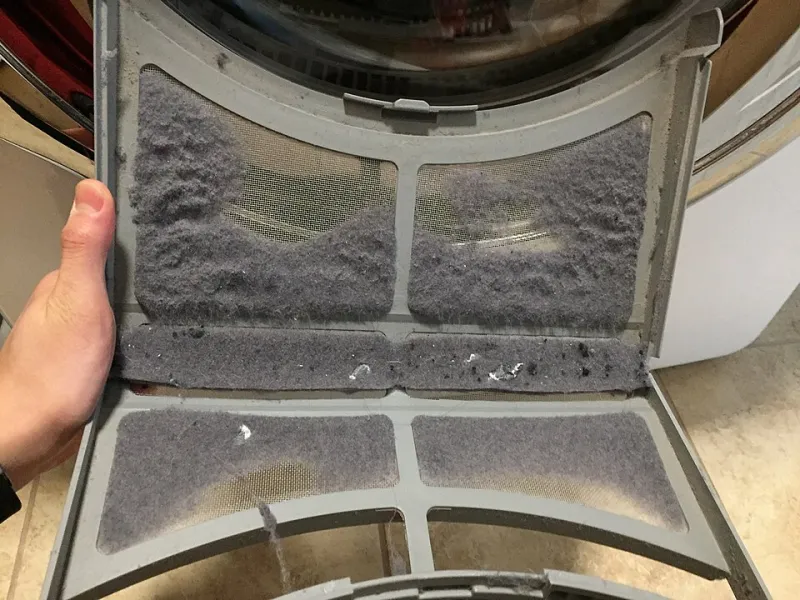
Photo: Atomicdragon136, CC BY 3.0, via Wikimedia Commons
Every laundry day, you pull it out — that soft, gray felt-like sheet clinging to the lint screen. Most of us ball it up, toss it in the trash, and never think twice. But if you're the kind of person who rinses out peanut butter jars and saves produce bags, that little handful of fluff might start to bother you. What is it? Where does it go? And is there anything better to do with it than landfill it?
Fair warning: the answers are a little weirder than you'd expect.
Lint Is Your Clothes, Slowly Disappearing
Here's the thing nobody tells you: dryer lint isn't dust from the air or mystery debris. It's your wardrobe. Every time clothes tumble against each other in the drum, tiny fibers break off — cotton, polyester, fleece, denim, whatever you threw in. The dryer's screen catches what the exhaust doesn't carry away.
That means every load of laundry is literally shedding your clothes a little at a time. That favorite t-shirt? It's slightly thinner than it was last year. It also means lint is basically a concentrated sample of your laundry: if you wash a lot of synthetic fabrics, your lint is mostly microplastics. If you're a cotton-and-wool household, it's mostly natural fiber.
Why does this matter? Because what lint is made of determines what you can responsibly do with it.
The Compost Question: It Depends on the Load
The eco-internet loves to say "compost your lint!" — but that advice comes with a big asterisk.
Natural fibers only. Lint from 100% cotton towels, wool sweaters, and linen sheets can go in your compost bin or municipal green waste, since those materials break down like any other plant or animal fiber. Tear open a wad and check the texture; if you know your household mostly washes natural fabrics, you're probably fine.
Synthetics never. Lint containing polyester, nylon, acrylic, or fleece is essentially shredded plastic. It will not decompose — it'll just fragment into microplastics in your compost and eventually your garden. If your laundry leans athletic wear, leggings, and fleece pullovers (hello, most of America), skip the compost bin entirely.
The honest catch: most loads are a blend, and you can't easily tell fiber content from a gray wad of fluff. If in doubt, treat lint as trash — or better yet, put it to work one of these ways.
Give Lint a Second Job Before It Hits the Bin
If composting is off the table, lint still has some genuinely useful second acts:
Firestarters. This is the classic, and it earns its reputation. Stuff lint into an empty cardboard toilet paper tube, and you've got a dependable fire starter for your fireplace, wood stove, or campfire kit. Add a drip of leftover candle wax if you want it weatherproof. Campers and cabin folks swear by these.
Soft garden mulch filler. Small amounts of natural-fiber lint can be tucked into the bottom of planting holes or mixed into seed-starting pots to help retain moisture — again, only if you're confident it's cotton or wool.
Craft stuffing and pet bedding projects. Lint works as filler for homemade pet toys, draft stoppers, or plush craft projects. It's not as springy as polyfill (which, honestly, is a point in its favor), but it's free.
Packing cushion. Moving? A bag of lint pads fragile ornaments about as well as bubble wrap.
None of these will save the planet on their own. But they keep a recurring waste stream out of the landfill, and they cost you nothing.
The Real Win: Making Less Lint
Here's the twist — the most eco-friendly move isn't finding a clever use for lint. It's producing less of it, which also means your clothes last longer. A few habits that genuinely help:
- Wash less often, in fuller loads. Every wash-and-dry cycle abrades fibers. Wearing jeans three times before washing isn't gross; it's conservation.
- Choose cold water and shorter cycles. Less agitation means less fiber breakage.
- Air-dry when you can. Line drying or a drying rack eliminates the tumbling that creates lint in the first place. Even skipping the dryer for delicates and synthetics makes a dent — and it's gentler on elastic and prints, too.
- Invest in a microfiber-catching laundry bag or ball if synthetics dominate your wardrobe. These catch fibers in the wash before they ever reach the dryer.
- Clean the lint screen every single load. A clogged screen makes your dryer work harder, run longer, and burn more energy — the lint that doesn't get caught can also build up in your vent, which is a genuine fire hazard. According to the U.S. Fire Administration, dryers cause thousands of house fires a year, and failure to clean them is the leading cause.
Small Fluff, Small Footprint, Real Habits
Look — dryer lint is not the biggest environmental issue in your home. But it's a perfect example of what sustainable living actually looks like day to day: noticing a waste stream everyone ignores, understanding what it's made of, and making one small smarter choice.
Compost it if it's natural fiber. Turn it into firestarters if it's not. Wash fuller, colder, and less often. And maybe, just maybe, let a few loads skip the dryer entirely while the sun's out. Your clothes will last longer, your energy bill will dip, and that gray fluff will stop feeling like garbage — because you'll finally know exactly what it is.