Every Drop Adds Up: The Sneaky Water Habits Quietly Inflating Your Utility Bill
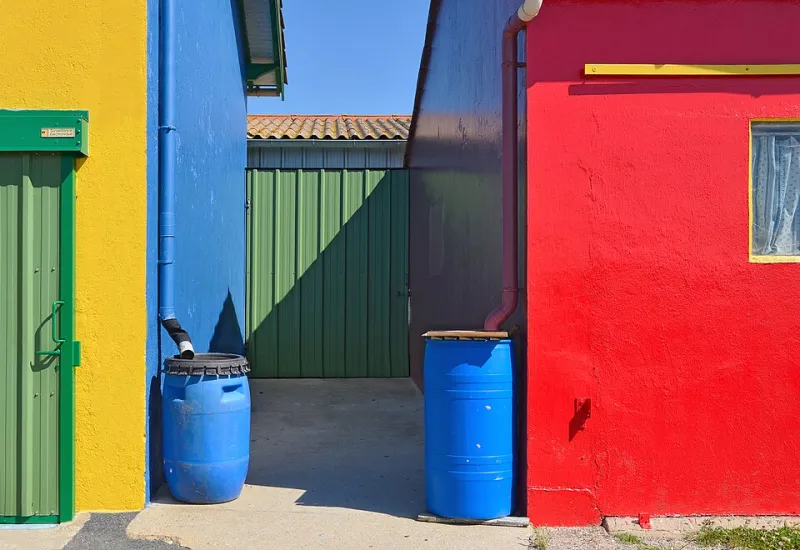
Photo: JLPC, CC BY-SA 3.0, via Wikimedia Commons
Water is the sneaky expense of the household. Electricity gets all the attention — we agonize over thermostats and unplug chargers — but the water bill slides by unexamined month after month. Then one summer you open the statement, see a number that looks like a typo, and wonder what on earth happened.
Here's the thing: it usually isn't one big problem. It's a pile of small ones. A drip here, a wasteful habit there, a watering can that runs under the tap longer than it needs to. The good news? Small problems have small, cheap fixes. Let's chase them down, room by room.
The Drip That Never Sleeps
A faucet dripping once per second wastes roughly 3,000 gallons a year. That's not a rounding error — that's enough water for 180 showers, billed to you for nothing. And a constantly running toilet? That one can quietly burn through 200 gallons a day.
The fix is usually embarrassingly simple. Most faucet drips come down to a worn rubber washer or O-ring — a $2 part and ten minutes with a wrench. Toilet flappers degrade every few years and are just as cheap to swap. If DIY isn't your thing, watch your water meter: note the reading, avoid using water for two hours, then check again. If it moved, you've got a hidden leak worth a plumber's visit.
Your Plant Collection Is Thirstier Than It Looks
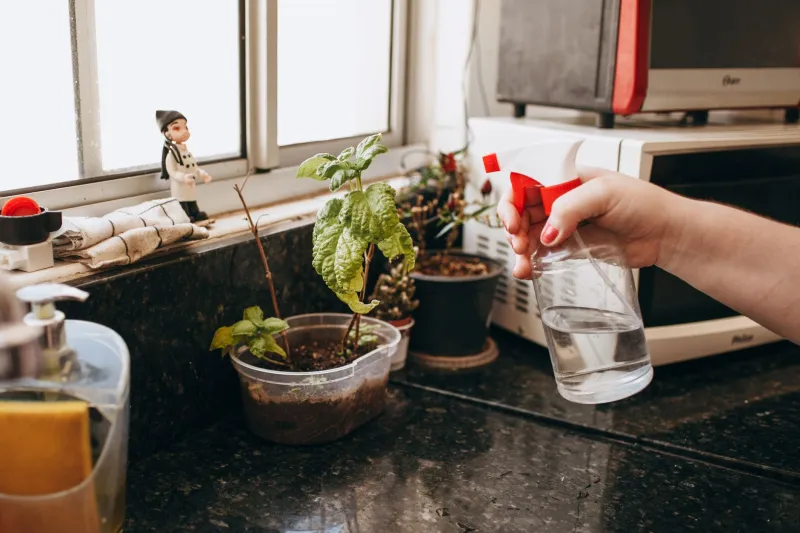
If you've built up an indoor jungle (we approve), your watering routine deserves a second look. A few habits make a real difference:
- Water at the sink, not with a running faucet. Fill your can once, shut the tap, and carry it. Every second of running water while you move plant to plant adds up.
- Use room-temperature leftover water. That glass of water on your nightstand? Your pothos will happily take it.
- Bottom-water instead of top-watering. Set pots in a tray of water and let roots sip what they need. Less runoff, less waste, healthier plants.
- Check before you pour. The honest finger test — one inch into the soil — prevents the single biggest source of wasted water and dead houseplants alike: watering on autopilot.
If your collection is big, consider a self-watering setup with a reservoir. It cuts waste dramatically and buys you vacation peace of mind.
The Dishwasher Paradox
Counterintuitive truth: running a fully loaded dishwasher uses far less water than washing dishes by hand — often half as much or less. The mistake isn't owning a dishwasher; it's running it half-empty or pre-rinsing everything under a hot tap for minutes.
Scrape, don't rinse. Modern detergents are designed to work on food residue. Load it full, run it on eco mode, and skip the heat-dry setting, which is pure energy waste. Same logic applies to laundry: full loads, cold water, and you've trimmed two more habits without lifting a finger.
Put the Sky to Work: Rainwater Capture
If you have any outdoor space, a rain barrel is the easiest eco-upgrade in this entire article. A single half-inch rain on a modest 1,000-square-foot roof sheds over 300 gallons of free water. Most US hardware stores sell basic barrel setups for under $100, and many municipal water companies offer rebates — some give barrels away.
Use captured rain on outdoor containers, garden beds, and even to fill your indoor watering can (just avoid drinking it, and let it settle before use). Your ferns won't know the difference, but your bill will.
Greywater 101, the Gentle Version
Full greywater systems are a plumbing project, but there's a beginner tier anyone can do: capture the cold water that runs while you wait for the shower or sink to heat up. Keep a pitcher by the bathroom tap and you'll be surprised how quickly it fills — water that would otherwise spiral down the drain while you brush your teeth or wait for the kettle.
For the more ambitious, laundry-to-landscape kits can route washer water to outdoor plants, depending on your state's rules (check locally — regulations vary widely, especially in western states).
Small Habits, Real Money
None of these fixes is dramatic, and that's the point. A washer here, a loaded dishwasher there, a rain barrel catching a storm — individually they're pocket change. Together, they routinely shave 20% or more off a household water bill, and they shrink your footprint while they're at it.
Green living isn't about grand gestures. It's about a thousand small choices that add up — the same way a jungle grows one leaf at a time. Start with the drip you've been ignoring. It's been ignoring your wallet long enough.