Your Kitchen Scraps' Second Act: Indoor Composting Without the Smell or the Backyard
Here's a stat that stings: food scraps are the single largest category of material sent to American landfills, according to the EPA. When organic matter decomposes in a landfill—sealed away from oxygen—it produces methane, a greenhouse gas far more potent than CO2. But when you compost those same scraps, you create something genuinely valuable: black-gold fertilizer for your houseplants.
And here's the part most people don't realize: you don't need a backyard, a tumbling composter, or even a balcony. Apartment dwellers from Portland to Philadelphia are composting in closets, under sinks, and on kitchen counters. Let's break down how.
Why Bother Composting Indoors?
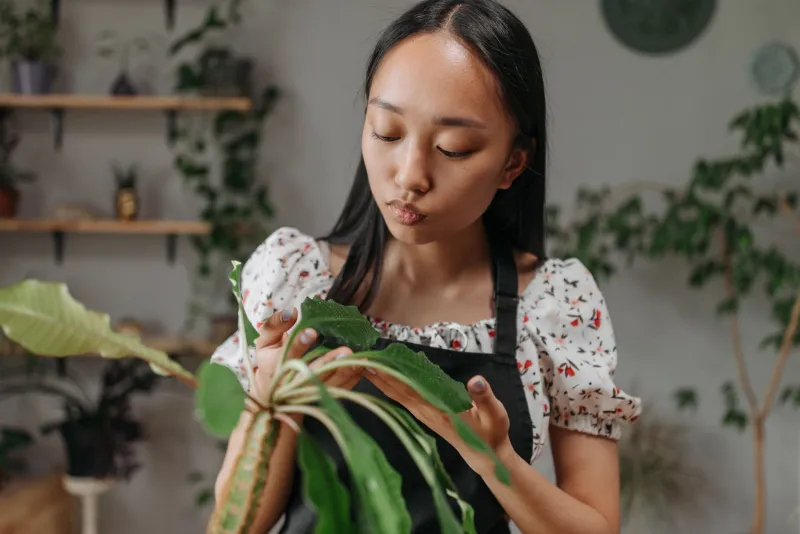
Beyond the climate math, indoor composting closes a loop right inside your home. Those banana peels and coffee grounds become food for your pothos and peace lilies, which means fewer trips to buy bagged fertilizer. It's the kind of small, daily habit that makes sustainable living feel real rather than abstract.
Option 1: Vermicomposting (Yes, Worms)
Vermicomposting uses red wiggler worms to eat your food scraps and produce worm castings—one of the richest fertilizers around.
How it works: You'll need a worm bin (a simple plastic tote with air holes works, or a stacked tray system like the Worm Factory), bedding (shredded newspaper works great), and about a pound of red wigglers to start.
Startup cost: $30–$120 depending on DIY versus a purchased bin.
The smell question: A healthy worm bin smells like a forest floor—earthy, not rotten. Odors only happen if you overfeed or add the wrong things. Stick to fruit and veggie scraps, coffee grounds, and crushed eggshells; avoid meat, dairy, and oily foods.
Where to put it: Under the kitchen sink, in a utility closet, or even in a coat closet. Worms like temperatures between 55–77°F, so keep bins away from hot radiators and freezing windows.
Timeline: Expect your first harvest of castings in two to three months.
Option 2: Bokashi Fermentation
Bokashi is a Japanese fermentation method that uses a special bran inoculated with beneficial microbes. Scraps go into an airtight bucket, get layered with the bran, and ferment rather than decompose.
How it works: Toss in scraps (including meat and dairy—bokashi handles what worm bins can't), sprinkle bran, press down, and seal. Drain the "bokashi tea" from the spigot every couple of days—diluted, it makes an excellent fertilizer.
Startup cost: $50–$80 for a starter kit with bucket and bran.
The catch: Fermented scraps aren't finished compost yet. In a perfect world you'd bury them in soil, but apartment dwellers can finish bokashi pre-compost in a large planter or hand it off to a community garden.
Option 3: Electric Countertop Composters
Devices like Lomi and Vitamix's FoodCycler dehydrate and grind scraps into a soil-like amendment in hours. They're odor-free, sleek, and dead simple.
Startup cost: $300–$500—this is the premium route.
The caveat: The output isn't true compost (the microbes aren't there yet), but mixed into potting soil and left to rest, it breaks down nicely. Great for small spaces where worms or buckets won't fly.
Quick Comparison
| Method | Cost | Smell | Effort | Best For |
|---|---|---|---|---|
| Vermicomposting | $30–120 | Earthy (when healthy) | Moderate | Plant lovers wanting premium fertilizer |
| Bokashi | $50–80 | Slightly pickly | Low | Scraps of all kinds, small bins |
| Electric composter | $300–500 | None | Minimal | Set-it-and-forget-it types |
Feeding Your Houseplants the Rewards
Finished compost and worm castings are gentler than synthetic fertilizers, which makes them perfect for houseplants. A few ways to use them:
- Top-dress pots with a thin layer of castings every couple of months.
- Brew compost tea by steeping castings in water overnight, then water as usual.
- Blend into potting mix at about 10–20% when repotting.
Your plants will respond with deeper green leaves and steadier growth—no chemical fertilizer required.
Start Small, Start This Week
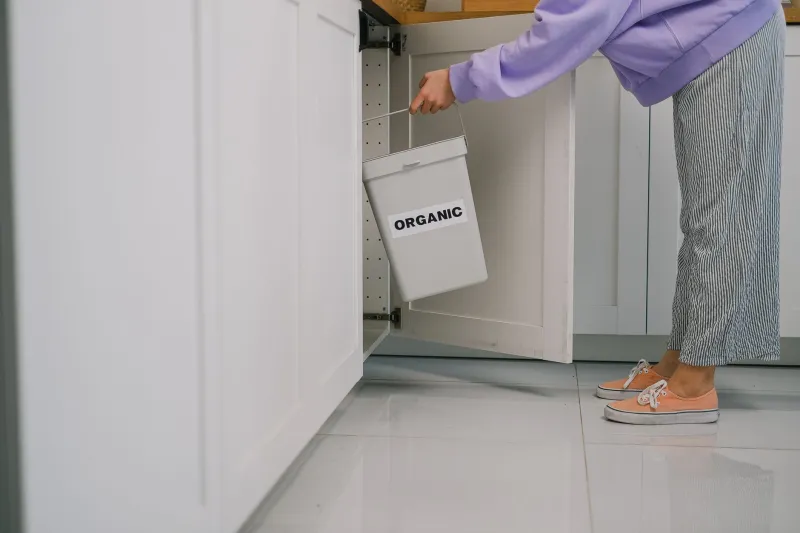
You don't need to overhaul your kitchen tomorrow. Begin with a simple countertop scrap collector (a lidded container with a charcoal filter keeps things fresh), then choose the composting method that fits your space and budget. Within a season, you'll be turning yesterday's veggie trimmings into next month's plant food—and keeping organic waste out of landfills, one coffee filter at a time. That's green living, growing right under your sink.